

What to Know About Chest Contusions
Accidents leave victims with a wide range of injuries, many of which go unnoticed until the victim receives medical attention. Chest contusions are a fairly common injury because they can be caused by falls, physical assaults, and anything else that delivers a blunt blow to the chest.
Serious injuries could cause you significant physical pain, financial instability, time away from work, and long-term health issues. It’s important to fight for the compensation you are owed. Call Reeves & Mestayer at 228-374-5151 to schedule a consultation now.
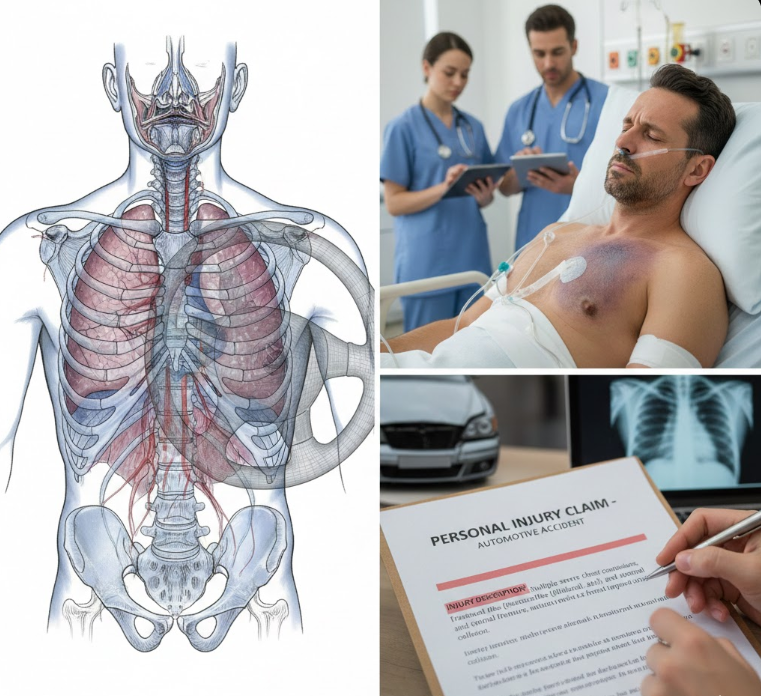
A car accident is a high-impact event that can cause a wide variety of injuries. Among the most common yet frequently misunderstood is the chest contusion.
Understanding Chest Contusions After a Car Accident
A car accident is a high-impact event that can cause a wide variety of injuries. Among the most common yet frequently misunderstood is the chest contusion. While it might seem like a minor issue at first, understanding the nature of this injury and its potential complications is vital for your health and any future legal claims.
What is a Chest Contusion?
A chest contusion is essentially a deep bruise caused by blunt force trauma to the thoracic area. When a vehicle stops suddenly or strikes another object, your chest may hit the steering wheel, the dashboard, or be restrained forcefully by a seatbelt. This impact causes damage to the soft tissues, including the muscles, ribs, and cartilage.
The pain from a contusion is often widespread. You may feel discomfort across your entire chest wall. This pain typically becomes sharper or more intense when you cough, sneeze, laugh, or take deep breaths. Because the symptoms often feel like general soreness, many people dismiss them as a natural result of the accident, only realizing something is wrong when the pain fails to subside or intensifies over several days.
Why These Injuries Are Often Hidden
One of the most dangerous aspects of a chest contusion is that it is not always visible to the naked eye immediately after the crash. Unlike a laceration or a broken bone that pierces the skin, blunt force trauma happens internally. You might walk away from a collision feeling relatively okay, attributing your discomfort to the “adrenaline” of the moment.
Because there is no open wound, you might assume you are just experiencing temporary muscular strain. However, internal bleeding and inflammation take time to manifest. You may notice deep purple, blue, or black bruising appearing hours or even days later. Waiting for these visible signs to appear before seeking medical help can be a mistake. Early intervention by a medical professional is the only way to ensure that the “bruise” isn’t masking something more significant.
The Risk of a Bruised Lung
If the force of the accident was significant, a chest contusion can involve more than just the surface muscles and ribs. It can affect the organs beneath the ribcage. A pulmonary contusion, or a bruised lung, is a serious condition where the lung tissue itself is damaged.
When a lung is bruised, it can lead to a buildup of fluid and mucus, making it difficult for your body to exchange oxygen. Symptoms of a pulmonary contusion include:
- Wheezing or gasping for air
- Unusually fast breathing
- Low blood pressure
- Cyanosis (a bluish tint to the skin or lips due to low oxygen)
A bruised lung is a medical emergency. If left untreated, the lack of oxygen can lead to respiratory failure or other life-threatening complications. Treatment usually involves pain management to allow for deep breathing, the use of an incentive spirometer to keep the lungs clear, and close monitoring by healthcare providers.
The Importance of Prompt Medical Documentation
Seeking medical attention immediately after a car accident serves two purposes. First, it ensures your physical safety by identifying internal injuries like chest contusions before they worsen. Second, it creates a formal medical record that links your injury directly to the accident.
Insurance companies often try to argue that if you didn’t go to the doctor right away, your injuries must not be serious or were caused by something else. A professional medical evaluation provides the objective evidence needed to show the true extent of the damage your body sustained.
You Could Suffer a Bruised Lung After a Chest Contusion
Serious chest contusions can progress and cause more severe injuries, such as a bruised lung. Also known as a pulmonary contusion, a bruised lung can cause mucus buildup in the lungs, low blood pressure, wheezing, fast breathing, and cyanosis. This type of injury requires prompt attention, as lung issues can quickly worsen and put you in critical condition.
The longer a bruised lung goes without treatment, the less oxygen your body receives. A bruised lung is typically treated through frequent coughing, long and deep breaths, pain management, and the use of an incentive spirometer.
Worse Complications May Occur
Other issues may arise with a chest contusion. A respiratory infection can make you feel fatigued, cause you to cough more than normal, and give you headaches. Respiratory infections vary widely in severity, with some resolving on their own with enough rest and others causing lifelong health issues.
One of the most dangerous outcomes of a chest contusion is acute respiratory distress syndrome. This potentially fatal lung injury causes fluid to leak into the lungs. As more fluid builds up, breathing gradually becomes more difficult, and less oxygen makes it into your body. As the disease progresses, it can cause other organs to fail. While ARDS cannot be cured, the condition can be treated if the victim is supported during the healing process.
The Healing Process is Unpredictable
It’s very difficult to predict the recovery timeline of a chest contusion. For some people, symptoms and related health concerns fade away in a matter of days. For others, symptoms drag on for weeks or even months. A lot depends on the type of crash that caused your injuries.
The more severe the injury is, the more likely it is to leave you with lingering side effects. Symptoms like shortness of breath, fatigue, and soreness could linger for a long time. It’s crucial to give yourself plenty of time and rest to support proper healing.
Start Your Personal Injury Claim with Reeves & Mestayer
If you’ve suffered injuries because of someone else’s negligence, you can hold them accountable with a personal injury claim. The team at Reeves & Mestayer can help you fight for the compensation you are owed. To set up a meeting, call us at 228-374-5151 or get in touch with us online.


