

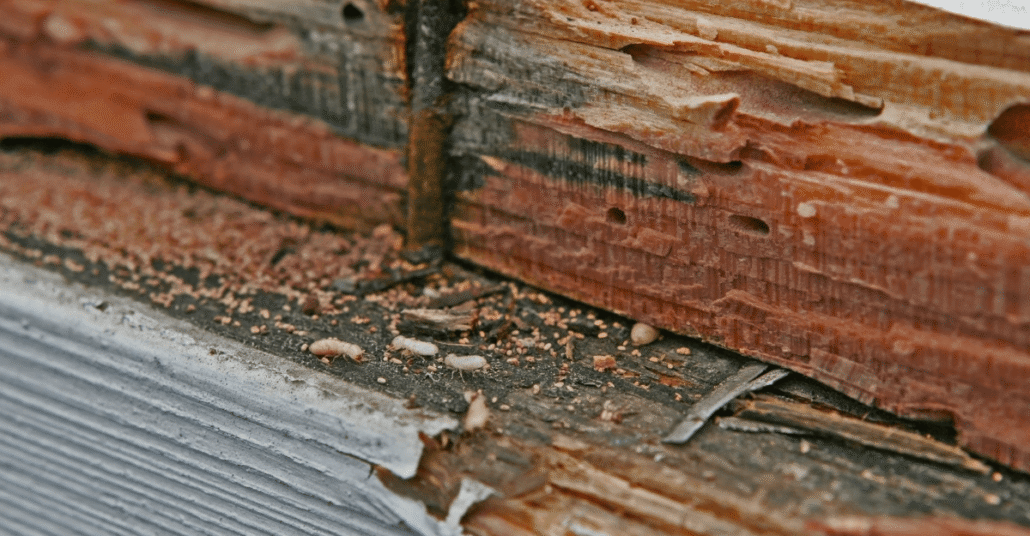
What Must Mississippi Home Sellers Disclose About Termite History?
The moments after deciding to list your home can feel overwhelming. You are preparing to move, packing boxes, arranging logistics, and suddenly you are faced with a mountain of complex legal paperwork. On the Mississippi Gulf Coast, where the notoriously humid climate creates a perfect breeding ground for highly destructive pests, one of the most common sources of anxiety for property sellers is how to properly handle past or present termite issues.
What Is the Mississippi Property Condition Disclosure Statement?
The Mississippi Property Condition Disclosure Statement is a legally required document that sellers must provide to potential homebuyers. Governed by Mississippi Code Section 89-1-501, this form forces sellers to disclose all known material defects affecting the property, including structural issues, electrical problems, and pest infestations.
When you list a residential property for sale, you cannot simply hand over the keys and walk away. State law mandates complete transparency to ensure buyers understand exactly what they are purchasing. The disclosure form acts as a standardized, legally binding checklist of the home’s condition at the exact time of the sale. The Mississippi Real Estate Commission enforces the use of this standard form for nearly all residential transfers. For a complete understanding of the statutory requirements, sellers can review the exact language in Mississippi Code Section 89-1-501, which strictly outlines the seller’s duty to honestly disclose the property’s condition.
This law prevents sellers from hiding significant, costly problems from unsuspecting purchasers. The form covers dozens of potential issues, ranging from the foundation to the roof, and requires you to state whether you have knowledge of any defects.
The property condition disclosure statement addresses multiple critical areas of the home:
- It covers the structural integrity of the roof, foundation, walls, and floor joists.
- It requires honest answers about plumbing, heating, and electrical system performance.
- It demands information on any past or present water intrusion, flooding, or mold.
- It includes a dedicated section specifically addressing wood-destroying insects and resulting decay.
- It asks about ongoing neighborhood disputes, zoning issues, or property line encroachments.
Failing to provide this document to the buyer prior to finalizing the purchase agreement, or intentionally leaving sections blank to avoid answering uncomfortable questions, directly violates state real estate regulations.
Do Mississippi Home Sellers Have to Disclose Past Termite Damage?
Yes, Mississippi home sellers must disclose any known past or present termite damage. The standard state disclosure form includes a specific section for wood-destroying insects, requiring sellers to report prior infestations, resulting structural damage, and any previous treatments or repairs made to the property.
Honesty is the only legally sound policy when filling out your real estate paperwork. Section F of the property disclosure form specifically targets wood-destroying insects. It asks point-blank questions about the home’s pest history. If you previously treated the home for an infestation five years ago, you must check the ‘yes’ box, even if the pests are entirely gone today and you have not seen a single insect since.
The law carefully differentiates between known damage and latent defects. A latent defect is a hidden, underlying flaw that the seller genuinely did not know existed. If pests are secretly eating the wood behind your drywall, and there are absolutely no visible signs of an infestation anywhere in the house, you cannot be held liable for failing to disclose a problem you were completely unaware of. You cannot disclose what you do not know. However, if you recently patched over damaged baseboards to hide the decay before listing the house, you possess active, undeniable knowledge of the defect.
When completing Section F of the disclosure form, sellers must adhere to several strict reporting rules:
- You must report any active infestations currently occurring on the property.
- You must disclose past infestations that were successfully eradicated by a professional.
- You must list any structural repairs made by contractors to fix wood decay.
- You must reveal if the home is currently under a professional pest control contract or warranty.
- You must inform the buyer of any untreated damage that currently exists and remains unfixed.
What Qualifies as a Wood-Destroying Insect Under Mississippi Real Estate Law?
Under Mississippi real estate regulations, wood-destroying insects include subterranean termites, Formosan termites, drywood termites, powderpost beetles, carpenter ants, and carpenter bees. Sellers must disclose known infestations from any of these pests, as they all cause severe, progressive structural damage to residential properties.
The Gulf Coast climate is incredibly hospitable to highly destructive insects. The combination of intense summer heat and constant, year-round humidity means homes in Pascagoula, Gulfport, and surrounding areas are under constant threat from pests that naturally consume cellulose material. While termites are the most notorious offenders, the disclosure requirements cover a much broader category of insects.
Formosan termites, a particularly aggressive subterranean species, are heavily prevalent across the southern counties. They build massive underground colonies and can consume the structural framing of a house at an alarming rate, often causing thousands of dollars in damage before a homeowner even realizes they are present.
The most common wood-destroying insects that trigger mandatory disclosure include:
- Subterranean Termites: These pests nest in the soil and build distinct mud tubes up the foundation to reach the home’s wooden framework.
- Formosan Termites: A highly destructive species capable of completely hollowing out massive support beams in a matter of months.
- Drywood Termites: These insects infest dry wood and do not require direct contact with the soil, often found thriving in attic framing.
- Powderpost Beetles: These beetles bore deep into hardwoods, leaving fine piles of dust and significantly weakening expensive flooring and cabinetry.
- Carpenter Ants: While they do not actually eat wood, they aggressively excavate it to build their nests, causing significant structural hollows.
Any previous encounter with these insects must be documented. The phrase ‘wood-destroying insects’ is comprehensive because the resulting financial devastation to the property is often identical, regardless of which specific insect caused the initial decay.
Who Is Responsible for Getting a Wood Destroying Insect Report (WDIR)?
While the buyer typically pays for and schedules the Wood Destroying Insect Report during the inspection period, the responsibility is ultimately determined by the real estate purchase agreement. Mortgage lenders usually require this specific inspection before approving a home loan in Mississippi.
The seller’s condition disclosure statement and the Wood Destroying Insect Report (WDIR) are two entirely separate documents serving different purposes. The disclosure relies solely on the seller’s personal knowledge and memory of the property’s history. The WDIR is an objective, third-party evaluation conducted by a licensed pest control professional.
Once an offer is accepted, the buyer enters the due diligence phase. During this crucial window, they will hire a general home inspector and, usually, a specialized pest inspector. The pest inspector evaluates the foundation, crawlspaces, attic, and visible framing for signs of active insects or prior damage.
The standard procedure for obtaining a WDIR involves several clear steps:
- The buyer generally selects the licensed pest control company they trust to perform the work.
- The buyer pays the inspection fee directly to the inspector at the time of service.
- The inspector provides a standardized state report detailing their precise findings.
- The lender reviews the WDIR to ensure their financial investment is secure before funding the loan.
- The seller must provide reasonable access to the property for the inspection to occur on schedule.
Even if a seller honestly believes their home is pest-free and states so on the disclosure, the WDIR might uncover a hidden infestation. This does not automatically mean the seller lied; it simply means the professional found a latent defect that the seller missed. At that point, the parties typically negotiate who will cover the necessary treatment costs before closing.
Does a Current Termite Bond Need to Be Transferred to the Buyer?
A current termite bond does not automatically transfer to the homebuyer in Mississippi. The seller must explicitly disclose if a treatment contract exists, and the buyer must usually contact the specific pest control company to pay a transfer fee and assume the ongoing contract.
A termite bond is essentially a long-term maintenance contract between a homeowner and a local pest control company. It typically includes an initial aggressive treatment, annual preventative inspections, and a binding guarantee to cover the cost of retreatment if pests ever return. Many responsible homeowners in Harrison County maintain these contracts for continuous peace of mind.
If you have an active bond, you must mark it clearly on the disclosure statement. However, the legal contract is between you and the pest control provider; it is not permanently attached to the physical deed of the house.
The process of handling a termite bond during a real estate transfer involves:
- The seller provides a complete copy of the current contract to the buyer for review.
- The buyer reviews the terms, including the annual renewal fee and specific coverage limits.
- The buyer contacts the pest control company prior to closing to formally request a transfer.
- The company may require a transfer fee or a brand new inspection before approving the assumption.
- If the buyer declines the transfer, the seller simply cancels the policy upon moving out of the residence.
Disclosing an active bond is often viewed as a massive selling point. It visually demonstrates to the buyer that the property has been proactively maintained and professionally monitored, reducing their overall financial risk.
Can You Sell a House As-Is with Known Termite Damage in Mississippi?
You can sell a house as-is with known termite damage in Mississippi, but you must still explicitly disclose the damage to the buyer. An as-is clause means the seller refuses to pay for repairs, but it does not legally waive the seller’s obligation to disclose known defects.
Many property sellers deeply misunderstand the strict legal definition of an “as-is” real estate transaction. Selling a property in its exact current condition simply communicates to the market that you will not negotiate repair credits, you will not fix broken appliances, and you will not hire contractors to remedy structural flaws. It effectively sets the financial boundaries of the deal.
It does not, however, override mandatory state disclosure laws. You cannot use an as-is addendum as a legal shield to actively conceal known, material defects from a purchaser. The legal doctrine of caveat emptor buyer beware has very firm limits in modern real estate law. If you know the floor joists are heavily damaged by subterranean pests, you must state that fact clearly. The buyer then has the option to purchase the damaged home exactly as it sits, fully aware of the massive risks they are assuming.
Selling a damaged property as-is requires following strict legal boundaries:
- You must provide a fully completed disclosure form even in a strict as-is sale.
- You must honestly answer all questions regarding past and present pest activity.
- You cannot actively hide damage with fresh paint, new baseboards, or strategically placed furniture.
- The buyer retains the absolute right to conduct a WDIR and independent physical inspections.
- The buyer can walk away if the formally disclosed damage is too extensive for their personal risk tolerance.
What Happens if a Property Seller Lies About Termite History?
If a property seller lies about termite history on the disclosure statement, the buyer can sue for fraudulent misrepresentation or breach of contract. A court can order the seller to pay for all necessary termite treatments, structural repairs, and associated legal fees.
Attempting to save a lucrative sale by intentionally concealing a major property defect is a tremendous financial risk. If a buyer purchases a home, begins remodeling a few months later, and discovers extensive, pre-existing termite damage that was clearly patched over, they will likely seek aggressive legal counsel. For sellers trying to understand the gravity of these documents, the Mississippi Real Estate Commission provides guidelines demonstrating how seriously fraudulent misrepresentation is taken across the state.
In these difficult situations, the buyer can file a civil lawsuit in the local circuit court, such as the Jackson County Circuit Court or Harrison County Circuit Court. They must successfully prove that the seller definitively knew about the defect, intentionally failed to disclose it, and that the buyer relied heavily on the clean disclosure form when deciding to purchase the property.
The financial consequences of losing a misrepresentation lawsuit are staggering:
- The court may award compensatory damages to cover all expensive structural repairs.
- The seller may be forced to pay for full pest eradication services and ongoing monitoring.
- The seller could be held responsible for the buyer’s temporary housing costs during extensive repairs.
- The seller may have to reimburse the buyer’s hefty attorney fees and court costs.
- In severe cases of intentional, documented fraud, the court may even rescind the sale entirely, forcing the seller to buy the ruined house back.
How Can Mississippi Gulf Coast Homeowners Protect Themselves During a Sale?
Mississippi Gulf Coast homeowners can protect themselves during a property sale by over-disclosing any minor or major pest history, keeping meticulous records of all termite treatments, and retaining an experienced real estate litigation attorney if a buyer threatens a post-sale misrepresentation lawsuit.
The absolute safest strategy during any real estate transaction is complete, unyielding transparency. Over-disclosing is always fundamentally better than under-disclosing. If you are unsure whether an old, successfully repaired issue from a decade ago is still worth mentioning, put it on the form anyway.
By providing a comprehensive history of the home, you successfully shift the heavy burden of due diligence onto the buyer. Once they are fully informed of the home’s past problems, they cannot successfully sue you later for hiding that exact same information.
Sellers should utilize these strategies to safeguard their transaction:
- Keep a dedicated physical file of all pest control receipts, WDIRs, and treatment guarantees.
- Provide the buyer with direct contact information for the specific company that holds your current termite bond.
- Fill out the disclosure form yourself; never let your real estate agent guess the answers for you.
- Take clear photographs of any repaired structural areas before putting up new drywall to visually prove the issue was fully resolved.
- Consult a knowledgeable legal professional if you are unsure how to properly disclose a highly complex or unusual property defect.
Protect Your Investment. Resolve Your Real Estate Dispute.
The path to a successful real estate transaction requires careful attention to detail. At Reeves & Mestayer, our attorneys understand the complex landscape of property disputes and real estate misrepresentation. We have dedicated our practice to representing clients across the Mississippi Gulf Coast, from the bustling neighborhoods of Gulfport to the historic districts of Biloxi. We advocate aggressively to protect your financial interests. If you are facing a real estate dispute regarding concealed property defects, contact us today.
Call us to schedule a consultation with our experienced legal team, and let us help you find a secure resolution.
Frequently Asked Questions
What If I Did Not Know About the Termite Damage When I Sold the House?
If you genuinely had no knowledge of the hidden termite damage, you generally cannot be held liable for fraudulent misrepresentation. Sellers are only legally required to disclose material defects that they actually know about. A latent defect discovered by the buyer after closing is typically considered the buyer’s responsibility to repair.
Can a Buyer Back Out if the Termite Inspection Finds Damage?
Yes, if the Wood Destroying Insect Report reveals active pests or significant structural decay, the buyer can usually terminate the contract. Most standard purchase agreements include an inspection contingency clause that allows the buyer to walk away and fully recover their earnest money deposit if the property condition is deemed unacceptable.
Do I Have to Pay for Termite Repairs if I Am Selling My House?
You are not legally obligated to pay for termite repairs unless you explicitly agree to do so in the final repair negotiation. However, if you refuse to treat an active infestation or repair major structural decay, the buyer will likely exercise their contractual right to cancel the purchase agreement entirely.
Is a General Home Inspector Qualified to Find Termite Damage?
While a general home inspector may note obvious signs of wood rot, they are typically not licensed pest control professionals. This is exactly why mortgage lenders require a specific Wood Destroying Insect Report completed by a trained specialist to accurately assess the subtle presence of termites or other wood-boring insects.
Will My Homeowners Insurance Cover Termite Damage Found Before Closing?
Standard homeowners insurance policies almost never cover termite damage, as it is classified as a preventable maintenance issue rather than a sudden, accidental loss. If massive damage is discovered just before closing, you will likely have to pay for the eradication and structural repairs completely out of pocket.


