

Can Your Landlord Be Liable for Hidden Termite Damage in a Rental Home?
Renting a home on the Mississippi Gulf Coast offers the charm of coastal living without the long-term commitment of a mortgage. However, tenants in Biloxi, Gulfport, and Ocean Springs often encounter a silent, destructive roommate they never agreed to live with: termites. When you discover that the structural integrity of your rental home is being compromised by these pests, or worse, that your personal furniture is being destroyed, the immediate assumption is often that the landlord must pay. The reality of premises liability law is more nuanced, requiring a clear understanding of negligence, notice, and the specific obligations set forth in Mississippi statutes.
The Landlord’s Duty to Maintain the Premises
Under Mississippi law, the relationship between a landlord and a tenant is governed by the Residential Landlord and Tenant Act. This statute implies a warranty of habitability in every residential lease, meaning the landlord has a duty to provide a home that is safe, sanitary, and fit for human habitation. While a landlord is not necessarily a guarantor of a pest-free environment in every single instance, they are responsible for major structural repairs and for addressing issues that affect the health and safety of the tenant.
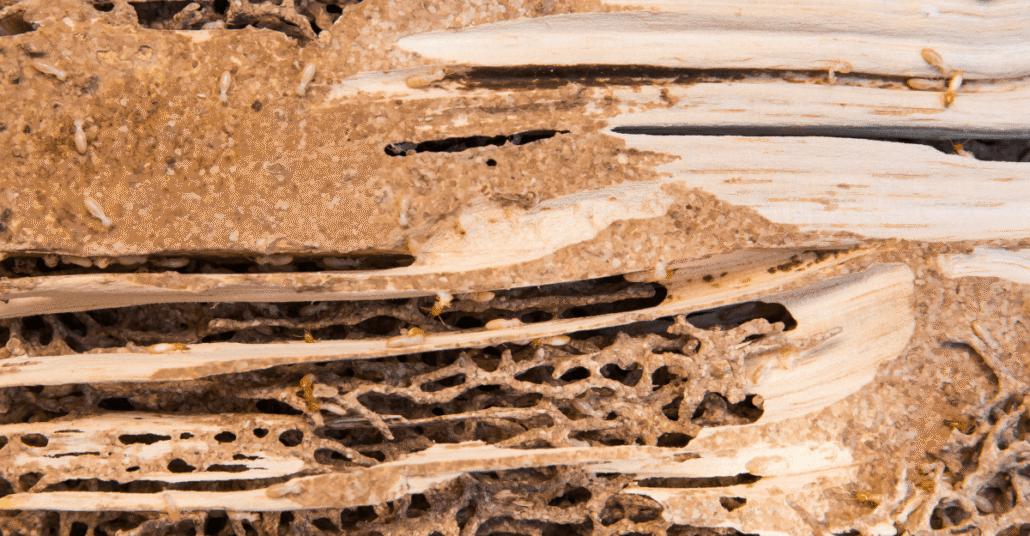
Termites occupy a unique space in this legal framework. Unlike a leaky faucet or a broken window, termite damage is often hidden deep within the walls or subflooring. In the humid climate of the Gulf Coast, from the bayous of Pascagoula to the beachfront properties along Highway 90, Formosan termites are particularly aggressive. If a landlord fails to provide routine pest control or ignores signs of an infestation, they may be violating their statutory duty to maintain the property.
Is a Landlord Responsible for Termite Damage in Mississippi?
Yes, generally, provided the tenant has given proper notice. Landlords in Mississippi are legally obligated to comply with housing codes and keep the premises in a state of repair. If termite damage compromises the structural integrity of the home or renders it uninhabitable, the landlord is typically liable for repairs and potential damages resulting from their negligence.
However, liability is not automatic simply because termites are present. To hold a landlord financially accountable for damages—whether to your personal property or for physical injuries caused by a structural failure—you generally must demonstrate the following:
- Duty of Care: The landlord had a responsibility to maintain the property, which usually includes structural pest control.
- Breach of Duty: The landlord failed to act reasonably. This could mean ignoring a tenant’s report of swarming insects, failing to maintain an annual termite bond on a wood-frame house, or renting out a property they knew had active, untreated damage.
- Causation: The landlord’s failure to act directly caused the harm. For example, if a floor joist gives way under your weight because it was hollowed out by termites, the lack of maintenance is the proximate cause of your injury.
- Damages: You must have suffered actual losses, such as medical bills from a fall, the cost of replacing destroyed furniture, or costs associated with emergency relocation.
The “Hidden” Danger: Latent Defects in Rental Properties
A major point of contention in landlord-tenant disputes involves “latent defects”—problems that are not obvious to an untrained eye during a casual inspection. When you tour a rental home in a historic neighborhood like downtown Biloxi or near the older sections of Long Beach, you might see fresh paint and new carpets. You likely cannot see the framing inside the walls.
If a landlord knows about a latent defect, such as an active termite infestation or previous structural damage that was merely covered up rather than repaired, they have a duty to disclose this to the tenant or fix it before leasing the property. If a landlord patches over termite-damaged drywall without treating the infestation and you later suffer losses because of it, this moves beyond simple negligence and borders on fraudulent concealment.
Can I Withhold Rent for Termite Infestation in Biloxi?
No, tenants in Mississippi generally cannot unilaterally withhold rent for failure to repair. Unlike some other states, Mississippi law does not typically recognize a “repair and deduct” remedy for tenants. Withholding rent can put you in breach of your lease and lead to eviction proceedings, even if the landlord is in the wrong regarding the termites.
Instead of withholding rent, tenants must follow a strict legal protocol to protect their rights without risking their housing:
- Written Notice: You must provide the landlord with written notice of the specific defect. A text message is often insufficient in court; a certified letter or an email with a read receipt is preferable.
- Opportunity to Cure: The landlord must be given a reasonable amount of time to fix the issue.
- Remedies: If the landlord fails to act, your legal remedies may include terminating the lease without penalty, suing for damages, or seeking a court order requiring repairs.
Attempting to “punish” a landlord by stopping payment on a check is a dangerous strategy in Harrison County Justice Court or Jackson County courts. Judges often look strictly at whether rent was paid. It is far safer to pay the rent under protest and file a separate civil action for the damages you have incurred.
Constructive Eviction: When the Home is Unlivable
In severe cases, a termite infestation can be so extensive that it constitutes “constructive eviction.” This legal concept applies when the conditions of the property are so deplorable that the tenant is effectively forced to leave, even if the landlord hasn’t formally evicted them.
For example, if Formosan termites have eaten through the roof supports of a rental home in Gulfport, causing water leaks and fear of collapse, the home is no longer fit for habitation. In this scenario, you may be justified in breaking the lease and moving out immediately. However, establishing constructive eviction requires strong evidence. You would need to prove that the problem was major, that you notified the landlord, and that they failed to remedy the situation within a reasonable time.
Liability for Damage to Tenant’s Personal Property
One of the most heartbreaking aspects of a hidden termite infestation is the damage to a tenant’s personal belongings. Termites do not distinguish between the landlord’s floorboards and your antique oak dresser, grand piano, or library of books.
Standard lease agreements often include a clause stating the landlord is not responsible for damage to the tenant’s personal property. Landlords will frequently point to this clause and tell you to file a claim with your renter’s insurance. However, these exculpatory clauses are not always ironclad, especially in the face of negligence.
If you can prove the landlord was negligent, for instance, if they ignored a termite inspection report recommending treatment six months ago, they may be liable for the destruction of your property despite the lease language. Renter’s insurance is also tricky; many policies specifically exclude damage caused by vermin, rodents, or insects. This leaves a lawsuit against the landlord as your primary avenue for recovery.
How Long Does a Landlord Have to Fix Termite Damage?
A landlord generally has 30 days to make necessary repairs after receiving written notice, though this timeline can be shorter for emergencies. If the termite damage poses an immediate threat to health or safety, such as a risk of ceiling collapse or electrical fire hazards from chewed wiring, the law implies a requirement for more urgent action.
The definition of “reasonable time” can vary based on the severity of the issue and the availability of materials and labor in the local market.
- Structural Emergencies: Immediate shoring up or relocation of tenants should happen within days.
- Active Infestation: Pest control treatment should typically be scheduled within a week or two.
- Cosmetic Repairs: Replacement of trim or aesthetic damage may fall into the standard 30-day window.
If you are renting a property in a high-demand area like Ocean Springs or near Keesler Air Force Base, landlords may try to drag their feet, claiming they cannot find a contractor. While labor shortages are real, they do not excuse a landlord from their duty to provide a safe home indefinitely.
Steps to Take If You Discover Termites in Your Rental
If you find mud tubes on the walls, discarded wings on windowsills, or hollow-sounding wood in your rental, immediate action is critical to protecting your health and your legal claim.
- Document the Infestation: Take high-resolution photos and videos of the termites and the damage. Do not clean it up immediately; you need evidence of the extent of the problem.
- Notify the Landlord Immediately: Send a written notice via certified mail or email. Detail exactly what you found and request an immediate inspection and treatment. Keep copies of all correspondence.
- Protect Your Property: Move your wooden furniture and valuables away from the affected areas. If furniture is already damaged, photograph it but do not throw it away yet—it is evidence of your damages.
- Check for Safety Hazards: Look for sagging ceilings, spongy floors, or flickering lights (termites can chew through wire insulation). If you feel unsafe, document why and consider staying with family or friends temporarily.
- Review Your Lease: Look for specific clauses regarding pest control. Some single-family home leases shift the burden of pest control to the tenant. However, this usually applies to ants or roaches, not structural pests like termites, which require professional chemical barriers.
- Consult a Professional: You may want to pay for your own limited pest inspection to get an unbiased report on the age and severity of the damage. This can counter a landlord’s claim that the infestation “just started.”
Why You Need Legal Assistance
Battling a landlord or a property management company can be intimidating. They often have retained legal counsel and insurance adjusters whose goal is to minimize payouts. They may claim the termites were introduced by your furniture, or that you failed to notify them soon enough.
At Reeves & Mestayer, we understand the specific building codes and landlord-tenant statutes that apply to the Mississippi Gulf Coast. We know how to subpoena maintenance records to see if the landlord let their termite bond lapse to save money. We investigate whether previous tenants complained about the same issue. We work to ensure that negligent property owners are held accountable for the dangers they force their tenants to live with.
Contact us today at 228-374-5151 or reach out online to discuss your situation.


